- IDOCIA
Generative UI: personalized interfaces that build themselves on the fly are coming
- By Miguel
Imagine that your Netflix, your bank, your GP’s app, your inbox, the dashboard you open every morning and even your favourite shop all stopped looking the same for everyone. Imagine each of them looked, precisely, the way you’d want it to look: the typeface your eye is grateful for, the density of information your head can tolerate, the tone that speaks to you the way you actually speak. And that it isn’t a template somebody picked for you two years ago, but an interface generated live — taking shape as you feed it data, learning your context (who you are, what you do, what time it is, where you are) and rewriting itself for you.
This isn’t science fiction. It’s what design and product circles are beginning to call Generative UI, and it’s coming. The interesting question isn’t whether, but what it means when it arrives — and what kind of judgement it’ll take to stop it descending into chaos.
From the fixed screen to the liquid canvas
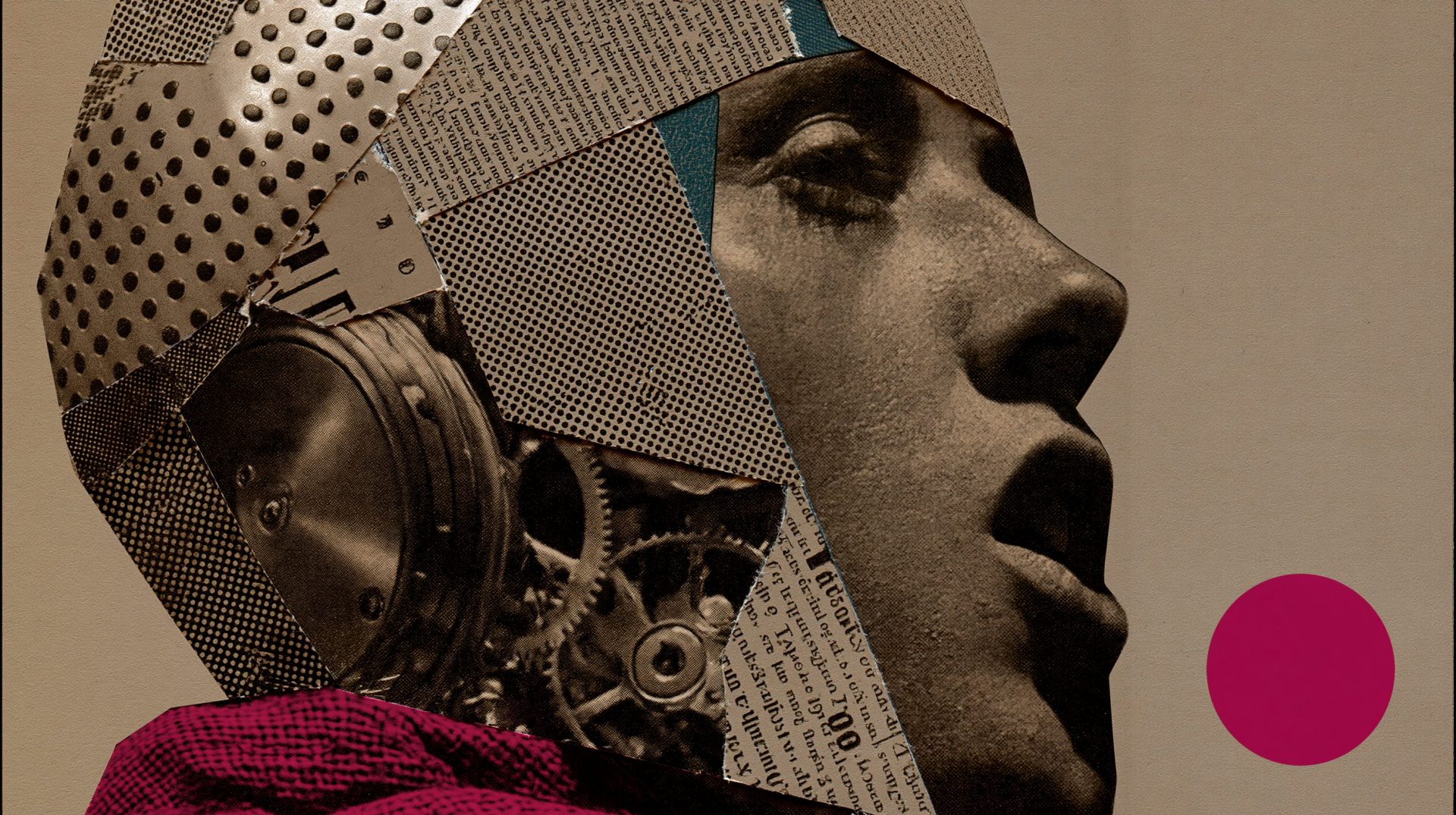
For decades, software was built on one premise: one-size-fits-all. You designed a screen, a flow, a visual hierarchy, and everyone — from the CFO to the intern — swallowed the same one. Personalisation, where it existed, was cosmetic: a «Hi, [Name]», a recommendation based on your history, a dark mode if you were lucky. The skeleton never moved.
What changes now is structural. With generative models, the interface stops being something you design once and becomes something you generate every time. The layout, the typography, the tone of voice, the amount of data on screen, the imagery and textures themselves — all of it becomes an output of the model, calculated according to who’s on the other side. Software stops being a grey, gridded tool and turns into a kind of chameleon that adapts to each person’s visual psychology.
It’s worth understanding this properly, because it’s easy to mistake it for more of the same. This isn’t audience segmentation or A/B testing. It’s that the very form of the experience — not just the content — is assembled on the fly. A single dashboard might appear sober, serif and dense with ROI for an analytical profile, then erupt into bold typography and high contrast for an art director, without touching a single line of the database underneath.
What generating thousands of images taught me
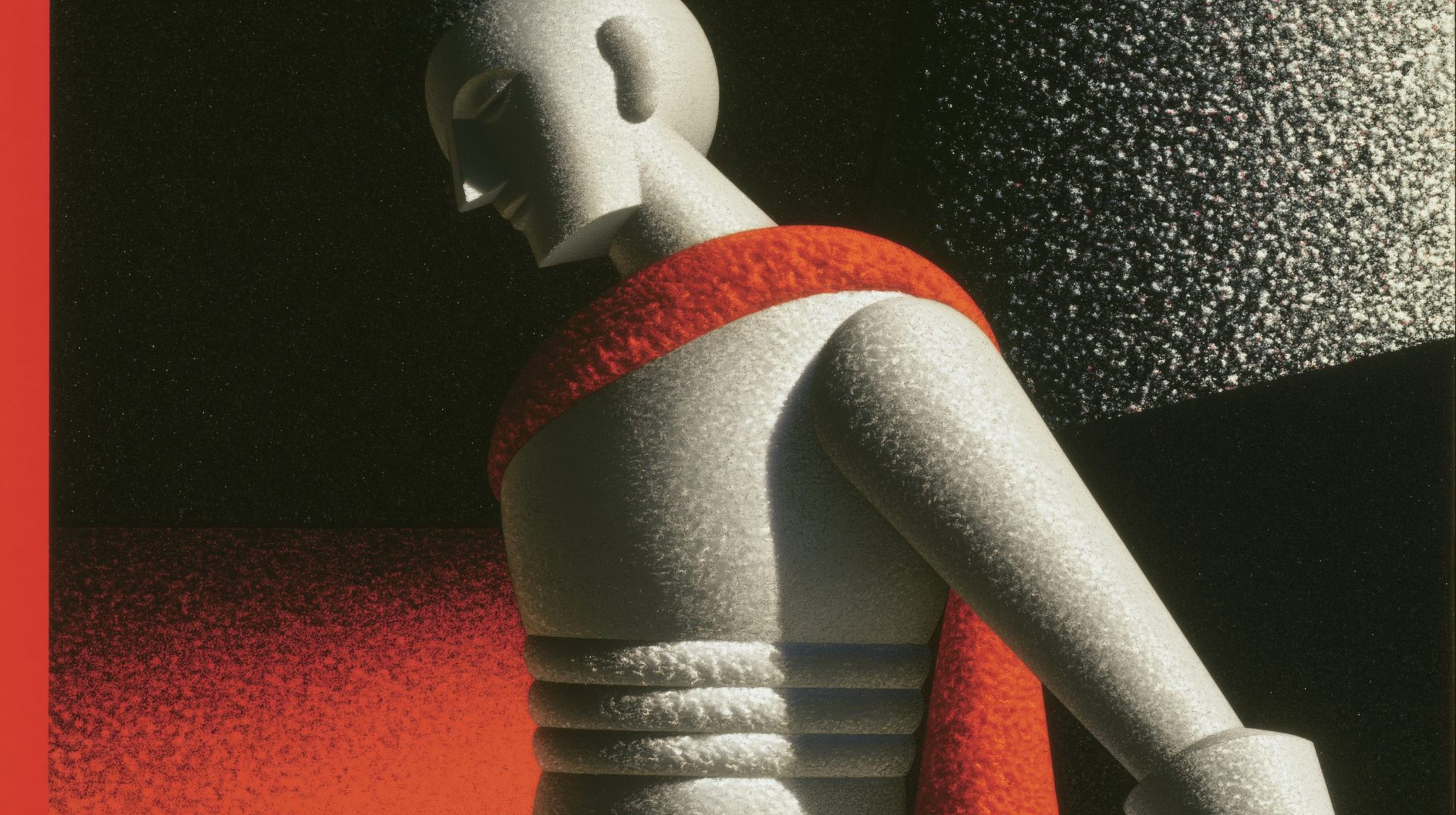
I’ve spent a couple of years generating images almost daily. Hundreds in an afternoon, sometimes. And if that discipline has taught me anything — beyond sharpening the eye at a speed that would be impossible any other way — it’s this: when generating stops being the bottleneck, judgement becomes the bottleneck.
When you can produce a thousand versions of anything, the problem is no longer producing. It’s choosing. It’s knowing why one works and another doesn’t. It’s having a point of view. The tool becomes so cheap it turns irrelevant; what becomes expensive is the judgement that separates the good from the merely possible.
Generative UI carries that same principle into product design. If the interface can be generated infinitely, infinitely personalised, value shifts from «designing screens» to «designing the system that designs the screens». From drawing the solution to defining the rules. And that is where it gets genuinely interesting.
The paradox of infinite personalisation
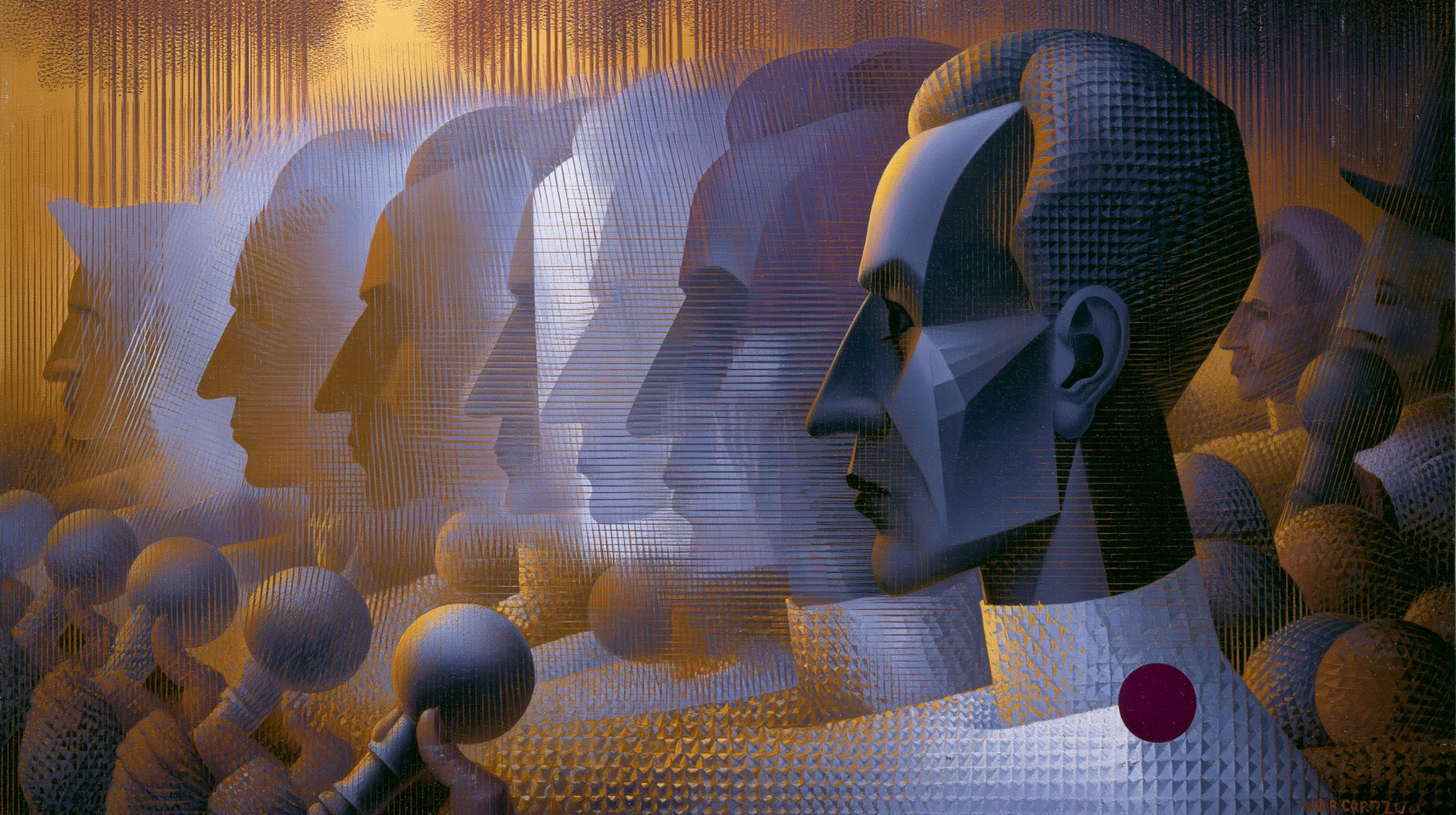
Here’s the trap almost nobody mentions when they sell this future with glitter on it: infinite personalisation, with no judgement, doesn’t produce magic. It produces a Frankenstein.
If you give a model total freedom to reinvent your interface for every single user, what you get isn’t a brand that breathes — it’s a brand that disintegrates. A thousand versions that no longer recognise one another. A different experience for each person which, added together, says nothing coherent about who you are. Coherence and brand recognition — the thing that takes years to build — evaporate in the name of novelty.
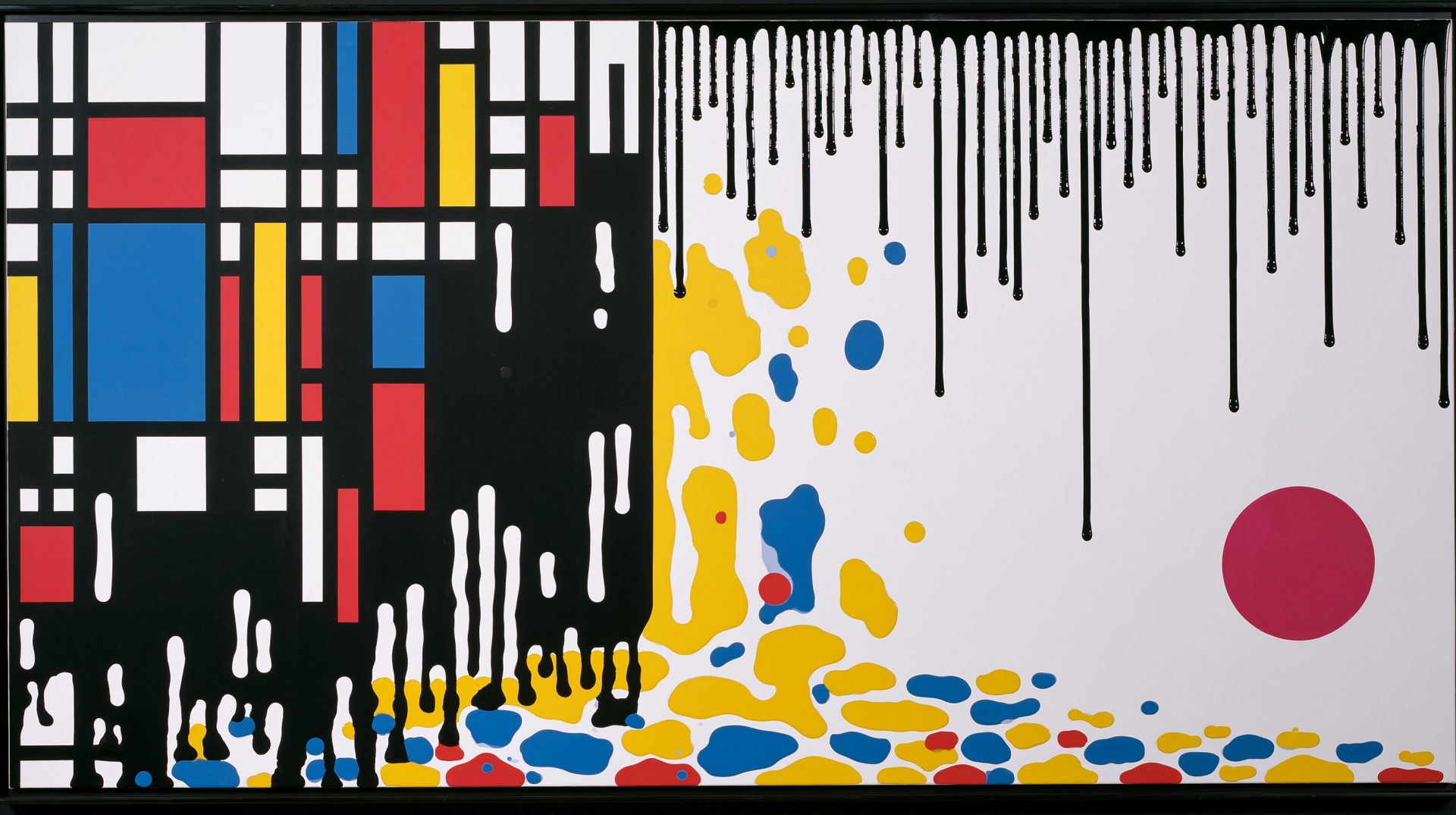
That’s why the real challenge of Generative UI isn’t technical, it’s one of judgement. It isn’t about making the interface change; that, today, is almost a given. It’s about defining what’s allowed to change and what isn’t. What we at OYSTERS call the elastic brand DNA:
- The non-negotiable: the logo, a central graphic gesture, an accent colour, a compositional principle. Whatever guarantees that, mutation after mutation, the brand stays itself.
- The elastic: the secondary typefaces, the background schemes, the density of information, the style of the imagery, the tone. The space within which the AI has permission to play.
Designing that system — the rails inside which generation runs free — is deeply human work, deeply a matter of art direction. It’s the opposite of pressing a button. It’s deciding, with full knowledge of the consequences, where coherence ends and chaos begins.
What’s this actually for?
I’m one of those people who believes that not everything that scales adds value, and aesthetic personalisation is no exception. A «pretty, bespoke» interface is a vanity if it doesn’t move a specific needle in the business. So let’s be honest about where it genuinely pays off:
- In conversion. In e-commerce and D2C, where every Shopify shop ends up looking the same, an experience that resonates emotionally with whoever’s looking is pure differentiation. The aesthetic is the outcome.
- In adoption and onboarding. Companies spend fortunes teaching people to use their software. An interface that adapts to the user’s language and operational context reduces that friction rather than adding to it.
- In loyalty and brand perception. A product that looks made for you builds a different kind of bond than one that forces you to adapt to it.
Where it doesn’t pay off is wherever nobody’s looking: an internal quoting tool on a factory floor couldn’t care less about being beautiful. The business question, always, is the same: does the aesthetic move the P&L here? If the answer is yes, Generative UI is a formidable advantage. If it’s no, it’s an expensive ornament.
Judgement endures
At OYSTERS we don’t chase tools; we chase relevance, coherence and excellence. And Generative UI is, to me, the clearest proof of why that distinction matters. We’re entering an era where anyone will be able to generate an interface that shifts its shape. What almost nobody will know how to do is define the system that lets that interface change without losing itself. What’s scarce isn’t the ability to generate, but the judgement to govern the generation.
The interfaces that look like you are coming. The question is whether they’ll arrive as a trick that dazzles for two seconds, or as a system that understands that behind every mutation there still has to be a brand with judgement, with a point of view, with a soul.
Tools evolve. Judgment endures. And excellence, here too, remains profoundly human.