

- IDOCIA
Kymatio: building a content factory for cybersecurity training.

- By felipe san juan
In a context where cybersecurity is evolving at an unprecedented pace, training can no longer rely on static or overly academic models. Kymatio faced a clear challenge: to educate, acquire, and retain subscribers through relevant, scalable content tailored to different audiences.
At Oysters AI, we addressed this challenge by designing an audiovisual content ecosystem focused on education, subscriber acquisition, and retention, as well as internal and external communication with clients and end users. The work is structured around two main content streams:
- Short educational video sessions (1 minute), designed to explain key cybersecurity concepts in a clear, direct, and actionable way
- Academic training programs for executives, with 4-6 minute pieces focused on decision-making, regulatory context, and the strategic impact of cybersecurity
Each of these streams generates specific content both for acquiring new subscribers and improving retention, as well as key assets for corporate, commercial, and educational communication. Video acts as a didactic tool integrated into a broader learning architecture, capable of adapting to different levels of knowledge, consumption formats, and usage contexts.

A production model aligned with pedagogical objectives.
The project was built on a fundamental premise: content is not the starting point, learning is. For each line of work, we defined:
- Clear pedagogical objectives
- Depth of content according to the audience
- Type of consumption: ‘light’, strategic, or experiential
This approach enabled the design of a system in which each format responds to a specific learning intent, optimizing not only the clarity of the message but also its ability to generate engagement and retention.
IA applied to creative and pedagogical optimization.
Artificial intelligence was integrated throughout the entire process, not only in production, but also in the conceptual phase. The work focused on:
- Script optimization, adapting content into clear structures compatible with automated generation
- Tone and narrative adjustment, tailored to different audience profiles
- Creative enhancement, ensuring each piece of content is engaging, understandable, and memorable
The result is a balance between academic rigor and engagement capability, a key factor in digital learning environments.
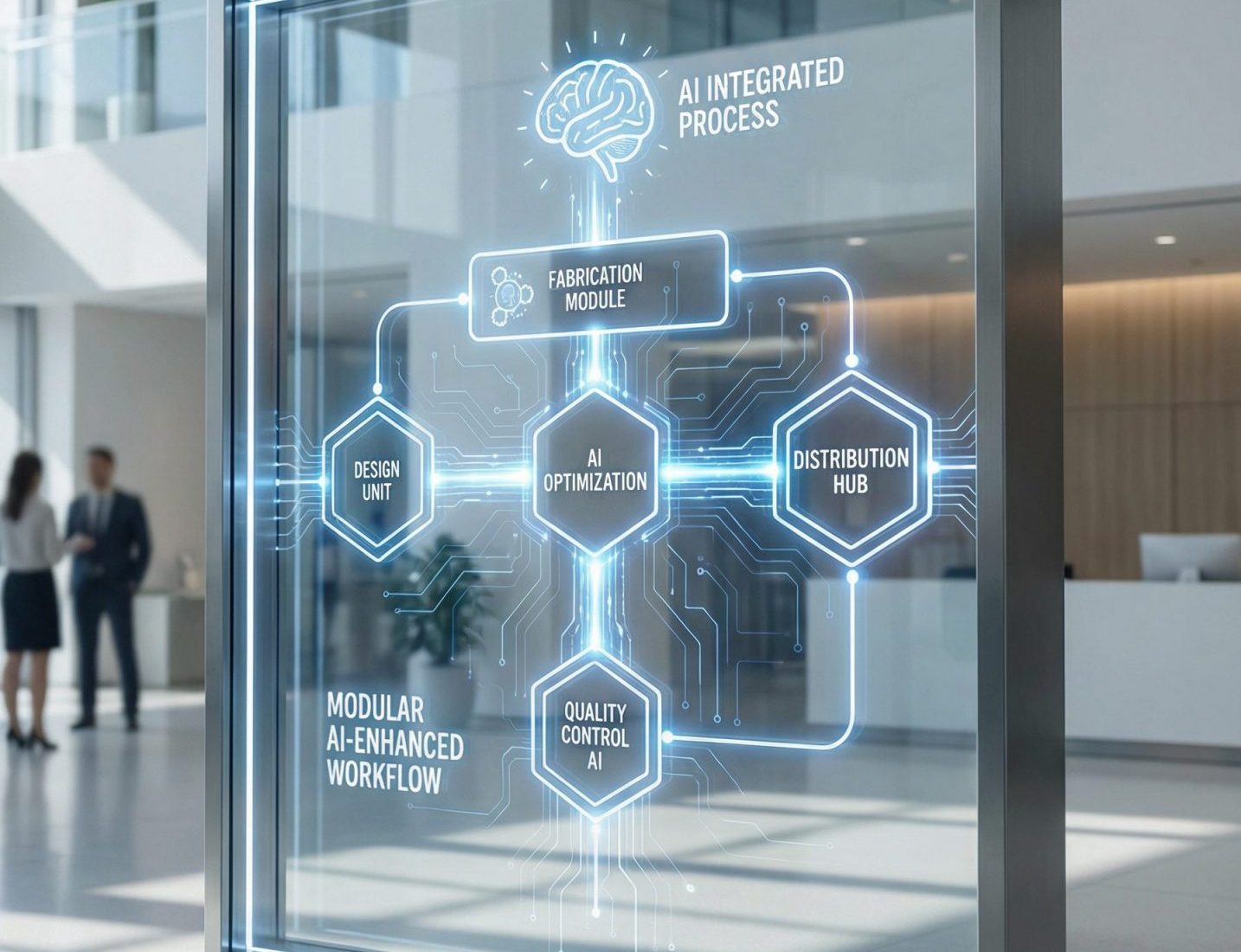
Audiovisual production: a system designed to scale.
The production pipeline developed combines multiple AI technologies:
- Digital avatars
- Generative animation
- Integration of visual assets
- Generation of voiceovers and sound effects
- Automated audio enhancement and cleaning
This system enables content to be produced efficiently, consistently, and at scale, while maintaining high quality across all assets.
Escalability…, up to 12 languages generated through automation.
One of the key pillars of the project has been internationalization. A semi-automated multilingual generation system was developed, including:
- Content translation and adaptation
- Voice generation in the target language
- Lip synchronization – lip sync –
- On-screen text localization
- Export of final versions
This enables Kymatio to scale its educational offering to 12 languages, optimizing time and costs without compromising quality.
Academic Training: expert-driven narrative and pedagogical structure, delivered through advanced avatars
Academic training is structured through a dual narrative approach that combines a transversal figure with a system of specialized experts, enabling the development of a solid, dynamic, and highly credible discourse.
At the center of the system is the Academic Program Director, who acts as both presenter and guiding figure. Her role is essential in ensuring overall coherence: she introduces the context, connects the different content blocks, and closes each session with a synthesis aligned with the pedagogical objectives. Her consistent presence provides narrative continuity, clarity, and a recognizable experience for the viewer.
Alongside her, an ecosystem of experts activates the content depending on each module:
- Cyberattack Expert, providing tactical insight and understanding of real-world threats
- Data Protection Specialist, focused on compliance, privacy, and information management
- Head of Awareness, addressing organizational culture and behavioral change
- Crisis Simulation Specialist, introducing practical scenarios and decision-making in critical environments
- Risk Analyst, contextualizing impact and probability from a strategic perspective
- Ethical Hacker, translating offensive thinking into defensive learning

Each of these profiles not only delivers technical content, but also brings a distinct narrative voice, adapting tone, depth, and perspective according to the topic at hand.
The expert, varying in each module, helps shape the scenario and avoids a flat narrative, reinforcing academic credibility while connecting with different audience sensitivities. The goal is not to replicate a traditional classroom, but to create a sense of proximity, authority, and narrative continuity.
The use of avatars ensures visual consistency, scalability, and production flexibility, without sacrificing a dynamic staging. Direction is articulated through variations in camera angles, changes of setting, and a fluid editing rhythm. This energizes the narrative without relying on unnecessary visual gimmicks.
In addition, the content is consistently supported by graphics, captions, overlays, and other visual reinforcement elements. These components help structure information, reduce cognitive load, and facilitate understanding, particularly in longer sessions.
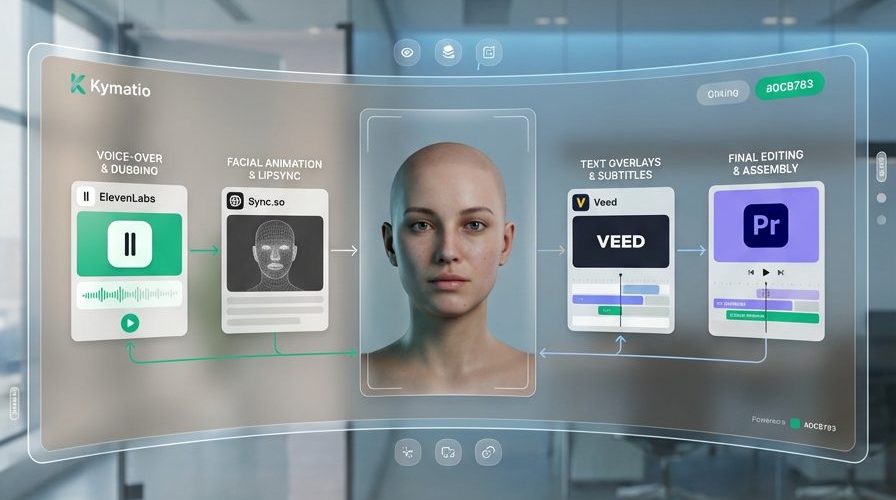
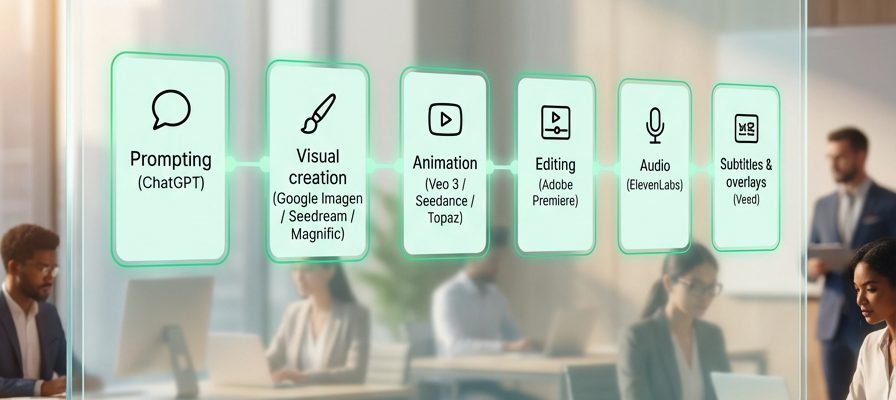
Avatar-based production workflow.
The production system is structured around a clear and scalable workflow:
- Conceptualization and prompting
ChatGPT / allows us to refine and finalize the prompts used in diffusion models - Static visual creation
Nano Banana Pro / creation of visual assets and base sequences -conceptual or illustrative – aligned with the creative territory - Animation and motion
Google Veo 3.1 / Topaz – animation, upscaling, lip sync – - Master editing
Adobe Premiere - Audio
Suno – ElevenLabs / synthetic voice, dubbing, music - On-screen text
Adobe Premiere / subtitles and overlays
Finally, all materials are integrated, edited, and refined in Adobe Premiere, where we complete the final cut, adjust pacing, incorporate subtitles and graphics, and apply color grading. This ensures a result that is fully aligned with the brand identity and ready for distribution.
Educational sessions:
variation, visual storytelling and sustained attention.
In this line of work, the starting point was clear: training does not have to be monotonous to be rigorous. Each educational session is conceived as a standalone unit with its own identity, transforming content into an episodic experience that encourages continuous engagement within the ecosystem.
Yes, we approach variation as a driver of attention.
Each topic is built around a distinct visual style. This shift is not decorative but strategic, acting as a ‘cognitive reset’ that reactivates the viewer’s attention and reduces fatigue.
To achieve this, we designed a system based on up to seven differentiated visual styles, carefully developed and harmonized to create a coherent and structured visual canvas. These include: Rubber House, Pixel 3D, Arcade, Toy 3D, Anime, Spanish tebeo, Origami, and Muppet 3D.

Each style brings its own identity, yet all share a common logic in design, color, composition, and rhythm, allowing for consistency without sacrificing diversity. The style is not limited to character design; it extends across the entire audiovisual system, turning each session into a coherent, recognizable, and memorable unit.
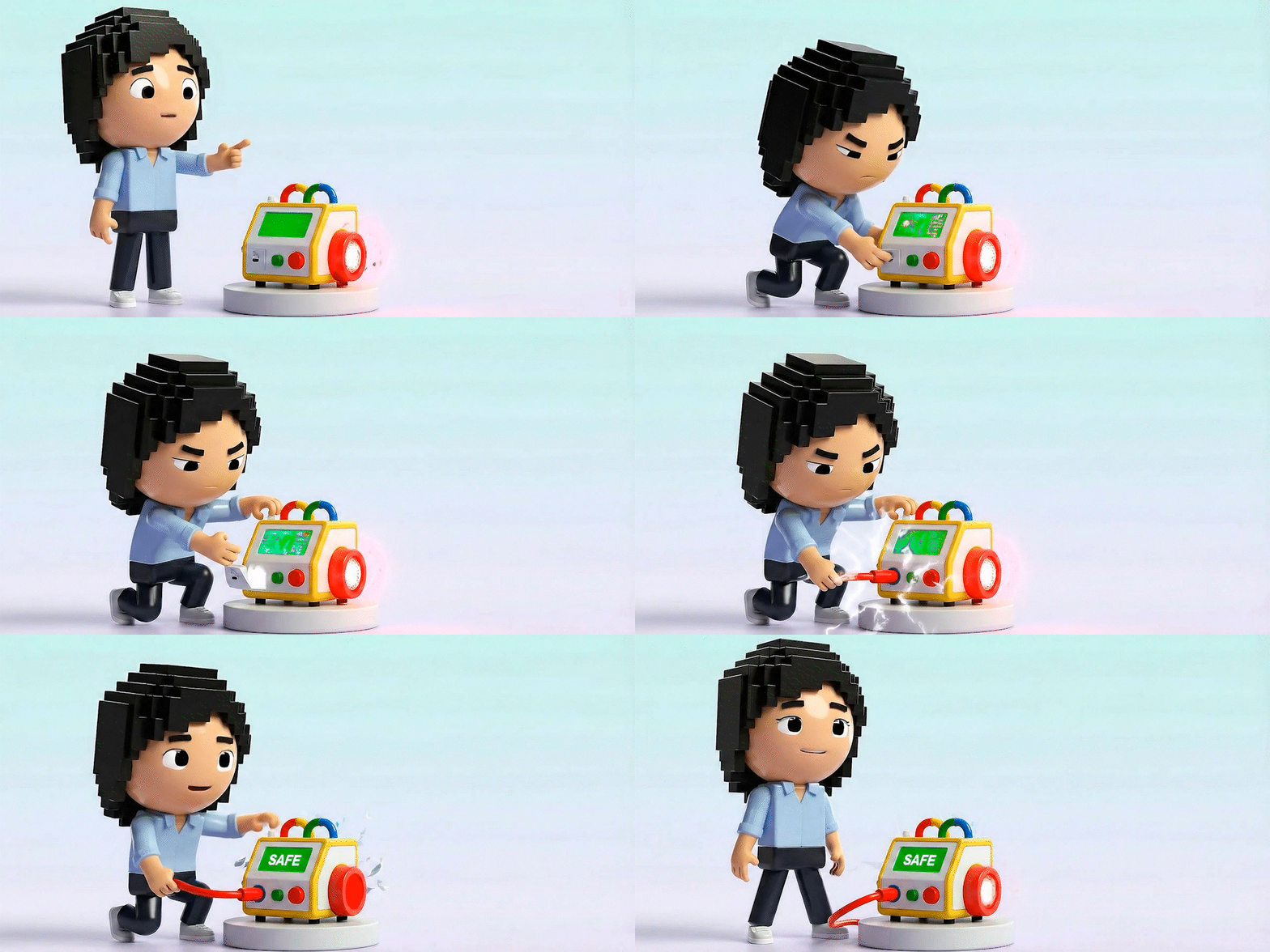
Each element in the design is conceived to serve a specific function within the learning process, avoiding purely aesthetic decisions and consistently prioritizing clarity, pacing, and retention:
Backgrounds
Session backgrounds are built using color gradients, both in single-tone versions and two-tone combinations. The selected colors are soft and low-contrast, designed to create a calm visual environment that facilitates text readability and does not compete with characters or information. This system allows each topic to have its own distinctive background, introducing visual variety and rhythm across sessions without compromising coherence or legibility. Gradients therefore act as a flexible and user-friendly foundation that structures the content and reinforces message clarity.
Transitions
Transitions are organically integrated into the visual identity of each session. Heavy, rigid transitions typical of animated presentations, often disruptive and overly format-driven, are deliberately avoided. Instead, more fluid and organic transitions are introduced, aligned with the visual language of each style.
For example, in an arcade-inspired style, transitions draw from 8-bit aesthetics; in an origami style, transitions simulate folding movements. These transitions do not interrupt the narrative, they extend it, reinforcing a sense of continuity and cohesion within each audiovisual piece.
Music
The sound design is tailored to the tone and style of each piece, reinforcing the specific atmosphere of each topic. Music is used as a subtle emotional layer, designed to support the narrative without overwhelming it. Its role is to sustain attention, set the rhythm, and create continuity, without interfering with message comprehension or voice clarity.
Pacing and Editing
Editing plays a key role in the effectiveness of the system. The alternation of shots, scene duration, and synchronization with audio and graphics are carefully calibrated to avoid monotony and maintain engagement. The pacing is not uniform; it adapts to the content, accelerating during explanatory moments and slowing down when it is necessary to reinforce key concepts.
Information Layers
The system incorporates multiple visual layers -graphics, captions, and overlays – that not only support the content but actively structure it. These layers enable the segmentation of information, highlight key ideas, and reduce cognitive load, facilitating a more progressive and efficient understanding.
Taken together, this approach creates a complete audiovisual language in which all elements work in coordination. The result is a balance between structural consistency and aesthetic diversity, ensuring academic rigor, visual dynamism, and a more immersive, sustainable, and effective learning experience over time.
Beyond content: a learning ecosystem.
Video is no longer a standalone asset; it becomes a strategic component within an interconnected learning ecosystem, designed to accompany users throughout their entire journey, from discovery to deep learning and retention. In this context, audiovisual content fulfills multiple roles simultaneously:
- Acquisition tool, acting as an accessible, engaging, and easily consumable entry point, capable of sparking interest and translating complex concepts into clear, relevant messages
- Training resource, pedagogically structured to facilitate understanding, retention, and the practical application of knowledge at different levels of depth
- Retention driver, building continuity, consumption habits, and a stronger connection with the platform, creating a sustained experience over time
However, its value lies not only in these functions, but in how they are integrated within a broader system. Each piece is part of an architecture designed to optimize the learning experience, adapt content to different audiences, and maximize its impact across multiple use contexts.
The result is a model that combines operational efficiency, creative coherence, and technological scalability, where content production is not an end in itself, but a means to build lasting relationships with users and enhance the value of knowledge.
Scalability, budget control, and operational efficiency.
The model provides a transparent and predictable financial framework, based on clear and easily combinable cost units. This structure facilitates budget control, comparison between production alternatives, and informed decision-making aligned with priorities, timelines, and objectives.
The model’s modularity also supports content scalability, enabling increases in volume, formats, and languages without proportional growth in costs.

Conclusion: from content to learning systems.
The work developed for Kymatio represents a paradigm shift:
moving from producing isolated pieces to building an intelligent content factory. Oysters AI has delivered:
- A deep evolution of its creative frameworks
- A production system aligned with pedagogical objectives
- An AI-based architecture capable of scaling content into 12 languages
All of this serves a strategic goal: to acquire, educate, and retain subscribers across international markets, while also supporting internal, external, and client-facing communication needs.
At Oysters AI, we believe in AI that is well-directed, thoughtful, and human. This is what we call Crafting AI, a way of creating visuals with a handcrafted approach, with soul.
Would you like to explore how to apply this technology to your brand? Write to me at:
felipe@oysters-studio.com
I’d be happy to chat with you!
